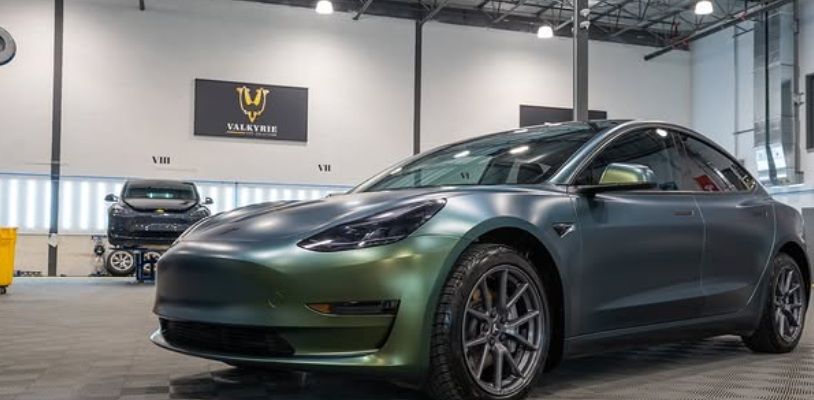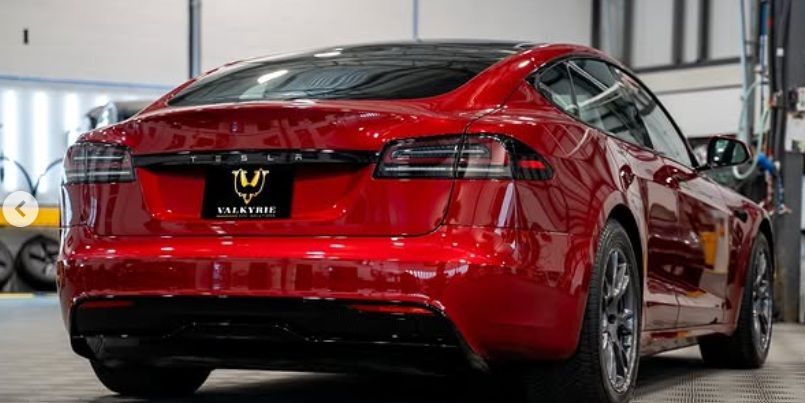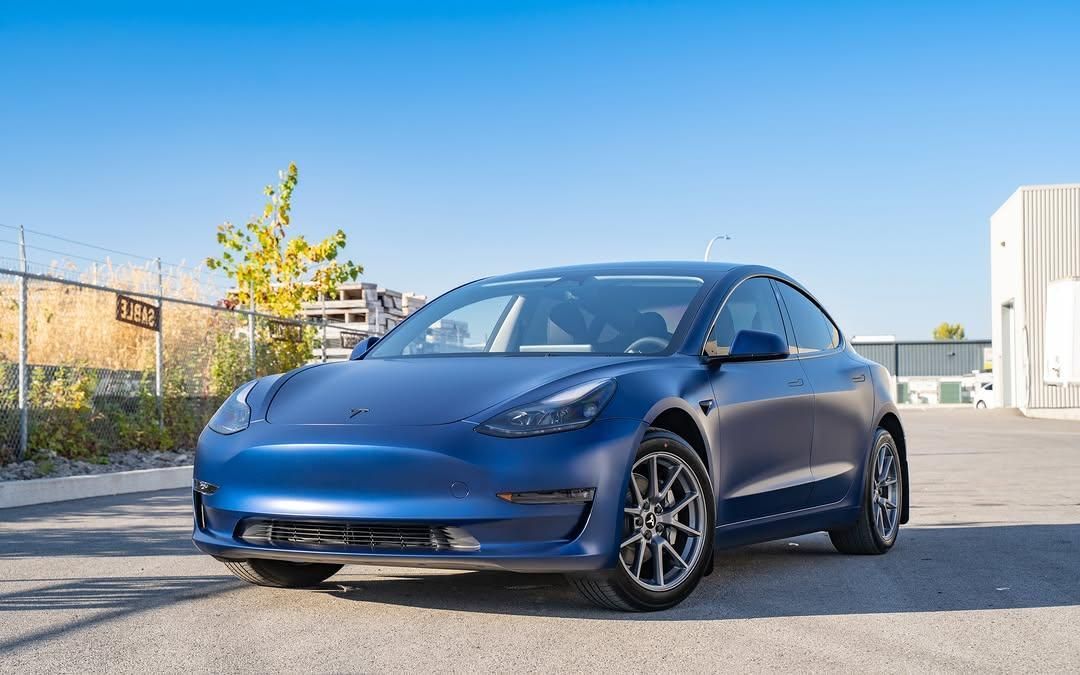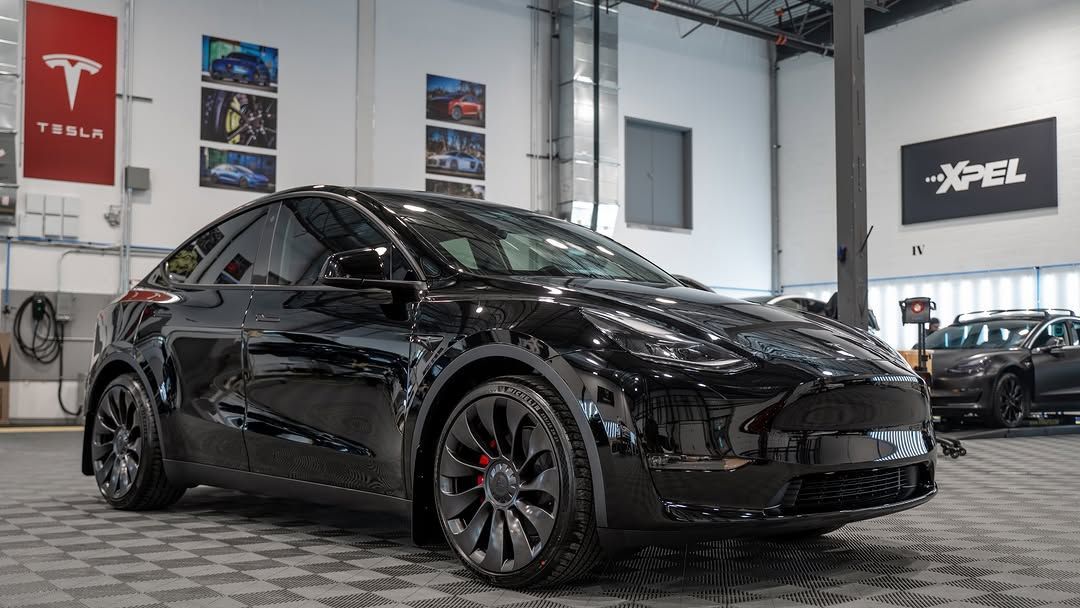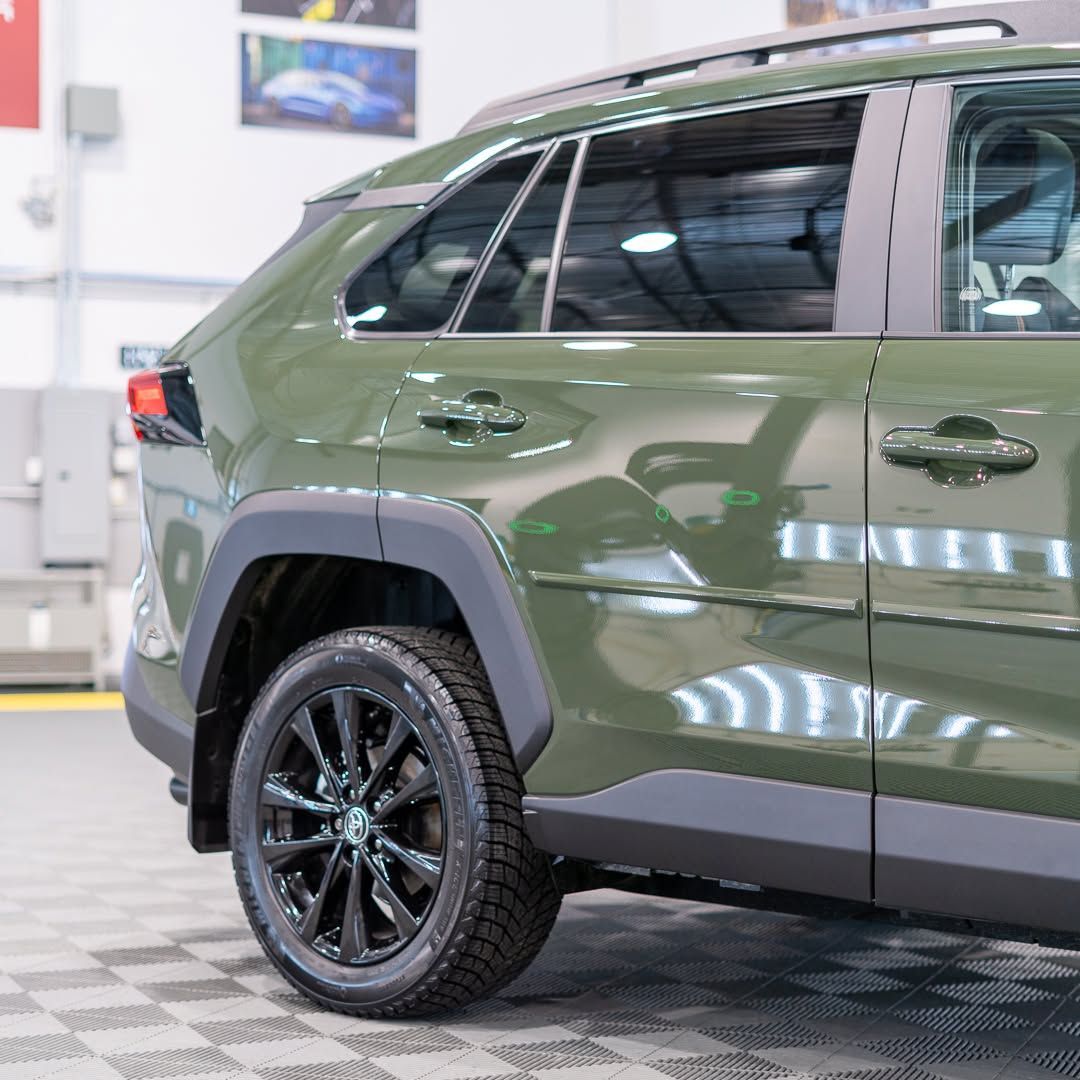
Surface preparation before ceramic coating is one of the most important stages of the protection process. At Valkyrie PPF Solutions in Laval, this work is treated as the foundation of every ceramic coating application because the condition of the paint directly affects how the coating looks, applies, and performs.
Contaminants, polishing oils, old wax, road film, and uneven areas can interfere with the application. When these materials remain on the paintwork, the coating may not spread evenly or deliver the gloss and consistency expected from a professional service. Proper preparation creates a clean, refined, and suitable finish for coating application.
What Happens When Surface Preparation Is Skipped
Ceramic coating should be applied to clean and properly prepared paint. When the early stages are rushed or skipped, the product may be applied over dirt, oils, oxidation, previous protection products, or other residue.
This can result in an uneven appearance, reduced water-repelling performance, streaking, or areas where the coating wears sooner than expected. Vehicle owners may notice these differences within the first few months after application, especially when residue remains on the paint.
Skipping the preparation process can also make uneven gloss, haze, oxidation, and reduced clarity more noticeable. Ceramic coating improves the condition of the underlying paint, so the quality of the final appearance depends heavily on the work completed beforehand.
Even a high-quality ceramic coating may not perform as expected when the paint has not been properly cleaned, inspected, and refined. This is why professional installers spend time preparing each painted panel before application begins.
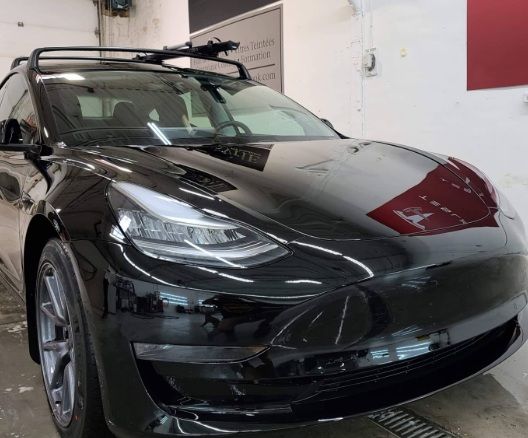
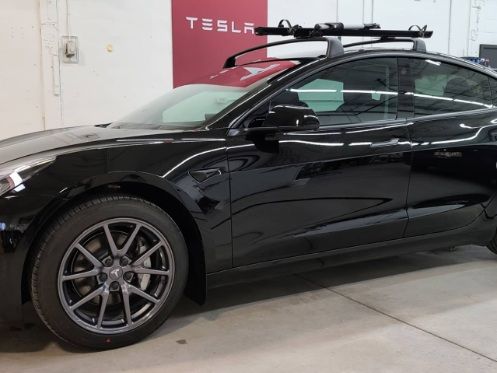
The Ceramic Coating Preparation Process
A professional ceramic coating service involves several important stages. The exact approach may vary depending on the vehicle's condition, but washing, decontamination, polishing, panel wiping, and final inspection are commonly used to achieve a coating-ready finish.
Step One: Thorough Washing and Decontamination
The process begins with a careful wash designed to remove loose dirt, road film, and surface grime while maintaining the condition and appearance of the paint. Professional washing methods and pH-neutral products help clean the vehicle without dragging contaminants across the clear coat.
Washing alone may not remove everything attached to the vehicle exterior. Brake dust, rail dust, tar, tree sap, industrial fallout, and other bonded materials can remain even after the car appears clean.
Chemical and physical decontamination methods may be used to remove these materials. An iron-removal product can help dissolve metallic particles, while a clay bar or clay mitt may lift contamination that regular washing cannot remove.
This stage creates a smoother finish and helps prevent unwanted material from remaining beneath the coating. It also gives the technician a clearer view of the paint condition before polishing begins. Residue left behind can interfere with the next stages or reduce the consistency of the application.
Step Two: Paint Inspection and Refinement
After the vehicle has been washed and decontaminated, the paint is inspected under suitable lighting. This helps identify areas with oxidation, haze, uneven gloss, or reduced clarity that may affect the final appearance.
Paint correction or machine polishing may be used when necessary to improve the condition of the clear coat before ceramic coating is applied. This process helps refine the finish and allows light to reflect more evenly across the painted panels.
Ceramic coating enhances the condition of the paint beneath it rather than refining untreated areas on its own. Completing the appropriate level of polishing beforehand helps improve clarity and creates a more even foundation for application.
Depending on the paint condition and the owner’s goals, the vehicle may need a light single-stage polish or a more detailed multi-stage correction. A newer or lightly used vehicle may require less work than a vehicle with oxidation, haze, or uneven gloss.
The service should be based on the condition of each vehicle rather than using the same method for every car. A careful inspection helps determine the appropriate level of refinement while preserving the clear coat.
This stage contributes significantly to the gloss and clarity associated with ceramic coating. Much of the visual improvement comes from properly refining the paint before the protective layer is installed.
Step Three: Panel Wipe and Final Cleaning
Polishing can leave behind oils, dust, and residue that must be removed before coating application. Even when the paint looks clean, these materials can affect how evenly the product is applied.
A dedicated coating-preparation solution or suitable panel wipe is used to remove polishing oils, waxes, and remaining residue. The goal is to leave the paint free of unwanted material so the coating can be applied evenly.
This step is often completed one panel at a time. Each section is wiped carefully and inspected under direct lighting before the technician moves to the next area. Working in controlled sections helps reduce the chance of missed residue and supports a more consistent result.
A final inspection is also important. Dust, lint, fingerprints, or traces of polish can affect the coating’s appearance if they are not removed. Proper lighting and a clean work environment make these concerns easier to identify before application begins.
How Proper Preparation Improves Coating Performance
When each stage is completed correctly, the ceramic coating can be applied more evenly and perform more consistently. This supports smoother coverage, improved durability, and a cleaner finished appearance.
Proper preparation also allows the coating to enhance gloss and clarity more effectively. When contamination and uneven areas have been reduced, light reflects more consistently across the paint. The result is a deeper-looking finish rather than a glossy layer applied over untreated areas.
A properly prepared finish can also support more consistent water-repelling performance and make routine cleaning easier. However, ceramic coating does not make a vehicle maintenance-free. Regular washing and proper drying are still necessary to help manage mineral deposits, road film, and water spots.
Careful preparation can also reduce the risk of application concerns such as high spots, streaking, uneven curing, or inconsistent gloss. These issues may affect appearance and long-term performance, especially when the coating is installed in poor lighting or over remaining residue.
Why Professional Surface Preparation Matters
The quality of the final coating depends not only on the product used but also on the environment, tools, inspection, and experience involved in preparing the vehicle.
At Valkyrie PPF Solutions in Laval, the team can evaluate the paint before recommending the work required for ceramic coating. This may include decontamination, polishing, paint correction, and final cleaning based on the needs of the vehicle.
A controlled shop environment helps reduce exposure to dust, moisture, and airborne contamination during the service. Proper lighting also allows technicians to identify residue, uneven gloss, and coating inconsistencies that may be difficult to see outdoors or in a poorly lit garage.
Experience is also important when selecting polishing methods and products. Different paint systems respond differently to refinement, and the same approach is not suitable for every vehicle. A professional assessment helps improve the appearance while preserving the clear coat.
Professional preparation gives the vehicle owner several practical benefits. These include more uniform gloss, easier routine cleaning, more consistent water behavior, and a cleaner-looking finish. It also helps the coating perform more consistently over time.
Prepare Your Vehicle for Ceramic Coating in Laval
Surface preparation before ceramic coating is not a formality. It is the foundation that helps determine how evenly the coating is applied, how clear the finish looks, and how consistently the protection performs.
From washing and decontamination to paint refinement, panel wiping, and final inspection, every stage plays an important role. Skipping part of the process can reduce the quality of the final result, even when a high-quality ceramic coating product is used.
Contact Valkyrie PPF Solutions today to discuss professional ceramic coating in Laval. The team can assess your vehicle’s finish, recommend the appropriate preparation process, and provide a quote based on its condition and service needs.