Driving visibility is an important part of overall driving comfort and vehicle use. Sunlight, glare, changing weather conditions, and light levels can all affect how clearly drivers see through vehicle windows. In Laval, drivers experience different seasonal conditions throughout the year, making window tint selection an important consideration.
Different window tint films affect driving visibility by influencing light transmission, glare reduction, heat control, and optical clarity while helping improve driving comfort in Laval. Choosing the appropriate tint film helps support balanced visibility during both daytime and nighttime driving conditions.
Understanding Window Tint Films
Window tint film is a thin layer applied to vehicle windows to reduce sunlight, glare, and heat entering the interior. Different tint films are designed with different materials and performance levels that affect visibility and overall driving comfort.
The amount of visible light that passes through the film is commonly referred to as visible light transmission. Some films allow more light into the vehicle, while darker films reduce the amount of incoming light.
Different film technologies also affect optical clarity and how clearly drivers can see through the windows under different driving conditions.
How Tint Darkness Affects Visibility
The darkness level of window tint film directly affects driving visibility. During window tint installation, selecting the right tint shade is important, as darker films reduce the amount of light entering the vehicle and can help lower glare during bright daytime conditions.
Reducing excessive sunlight may improve daytime driving comfort by limiting brightness and reducing eye strain. Drivers may experience clearer visibility during sunny conditions because glare is reduced.
However, darker tint films may also reduce visibility in low-light conditions. During nighttime driving or cloudy weather, darker films can make it more difficult to see through side and rear windows. This is why balanced light transmission is important for maintaining visibility throughout different driving conditions.
Dyed Window Tint Films
Dyed window tint films are commonly used to reduce brightness and improve interior comfort. These films contain a dyed layer that absorbs sunlight and helps reduce glare entering the vehicle.
Dyed films can improve visibility during daytime driving by limiting excessive brightness from direct sunlight. The reduced glare may help drivers maintain better comfort while driving in bright conditions.
Since dyed films are often darker in appearance, visibility during nighttime driving may be more limited compared to lighter tint films.
Metalized Window Tint Films
Metalized window tint films contain metallic particles that help reflect sunlight and heat away from the vehicle. These films reduce glare and help maintain interior comfort.
The reflective surface helps reduce brightness entering the vehicle during daytime conditions. This may support improved forward visibility by reducing glare from roads and surrounding surfaces.
The visibility performance of metalized films depends on the film quality, tint level, and lighting conditions.
Carbon Window Tint Films
Carbon window tint films are designed to provide glare reduction and heat control while maintaining good optical clarity. These films do not rely on metallic materials and are often used for balanced visibility performance.
Carbon films help reduce sunlight and glare without heavily affecting visibility. The film structure supports clearer viewing conditions while maintaining interior comfort.
Drivers who want reduced glare with balanced visibility often consider carbon tint films for daily driving conditions.
Ceramic Window Tint Films
Ceramic window tint films are designed using non-metallic ceramic materials that help reduce heat and UV exposure while maintaining high optical clarity.
Ceramic films help reduce glare without significantly limiting visibility. Because of their optical clarity, these films support visibility during both daytime and nighttime driving conditions.
Even lighter ceramic films may provide heat and glare reduction while allowing more visible light into the vehicle. This helps drivers maintain clearer visibility while improving interior comfort.
Many drivers choose ceramic window tint films because they provide a balance between visibility, glare reduction, and long-term performance.
Glare Reduction and Visibility
Glare from sunlight, roads, headlights, and reflective surfaces can affect driving visibility and overall comfort. Excessive brightness may create visual strain during driving.
Window tint films help reduce glare by limiting the intensity of incoming light. Reduced glare may help drivers maintain more consistent visibility during bright daytime conditions.
Different window tint films provide different levels of glare reduction depending on the material and tint darkness. Choosing the right film helps maintain driving comfort while supporting visibility.
Nighttime Visibility
Nighttime visibility is an important factor when choosing window tint film. Very dark films may reduce visibility through side and rear windows after sunset or in low-light conditions.
Drivers often rely on clear visibility during parking, reversing, and lane changes. Films that reduce too much incoming light may affect visibility during nighttime driving.
Window tint films with balanced light transmission and optical clarity help maintain visibility during both daytime and nighttime conditions.
Weather Conditions and Visibility
Weather condtions also affect how window tint films influence visibility. Rain, snow, fog, and cloudy conditions reduce natural light levels and may affect visibility through darker films.
In Laval, changing weather conditions throughout the year create different lighting environments for drivers. Selecting window tint films with balanced visibility performance helps support driving comfort during seasonal changes.
Films designed with good optical clarity help maintain visibility while still reducing glare and sunlight exposure.
Importance of Professional Installation
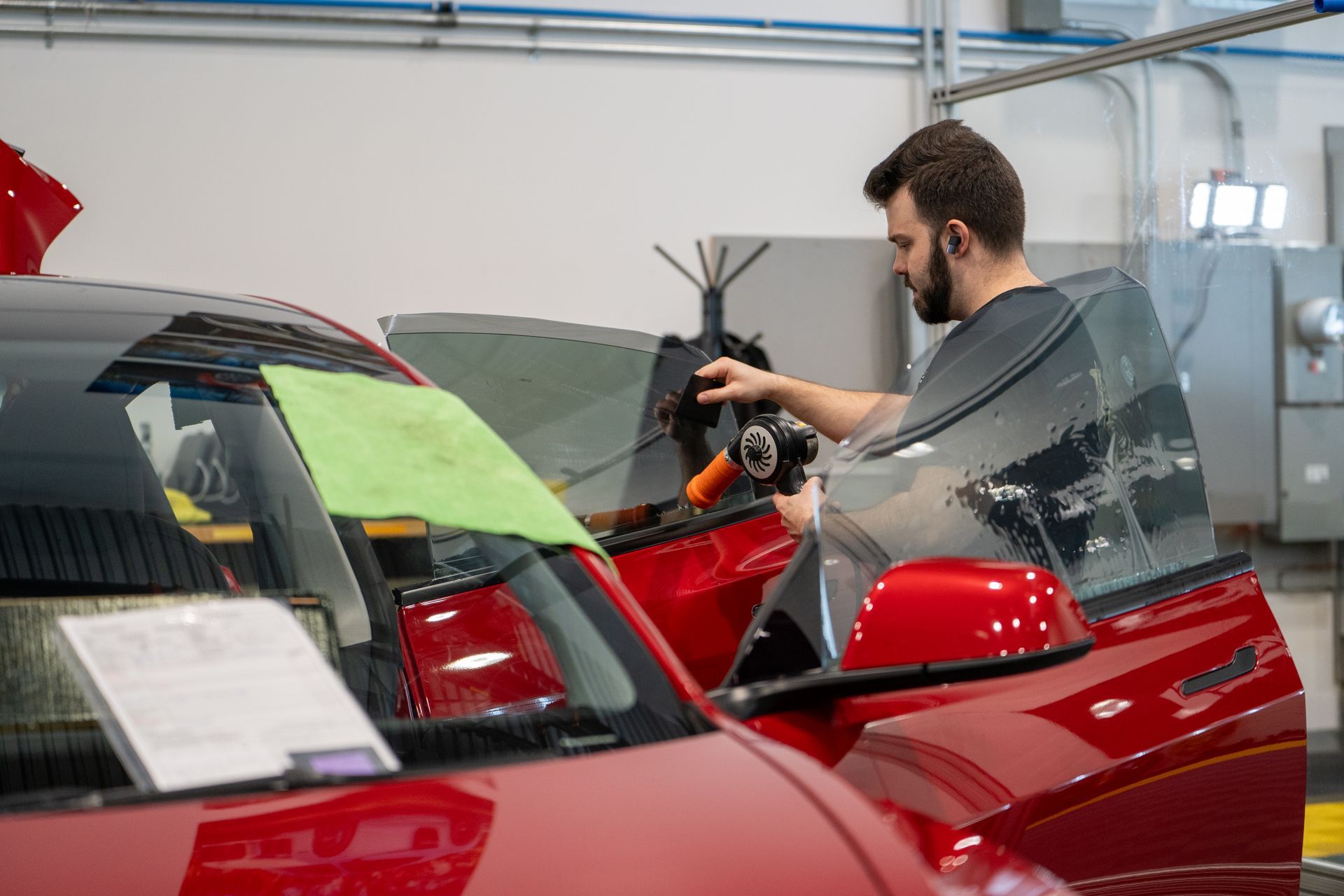
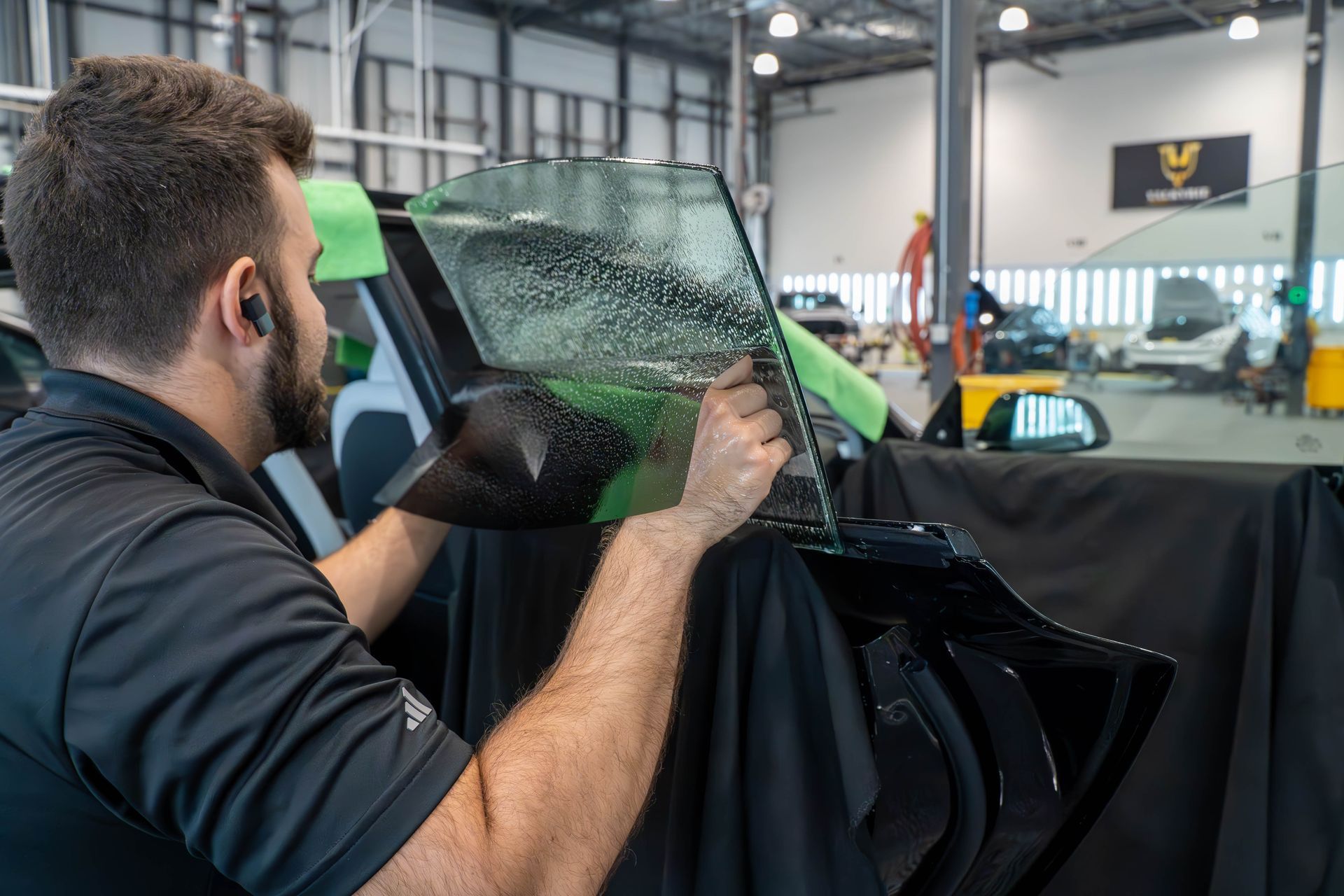
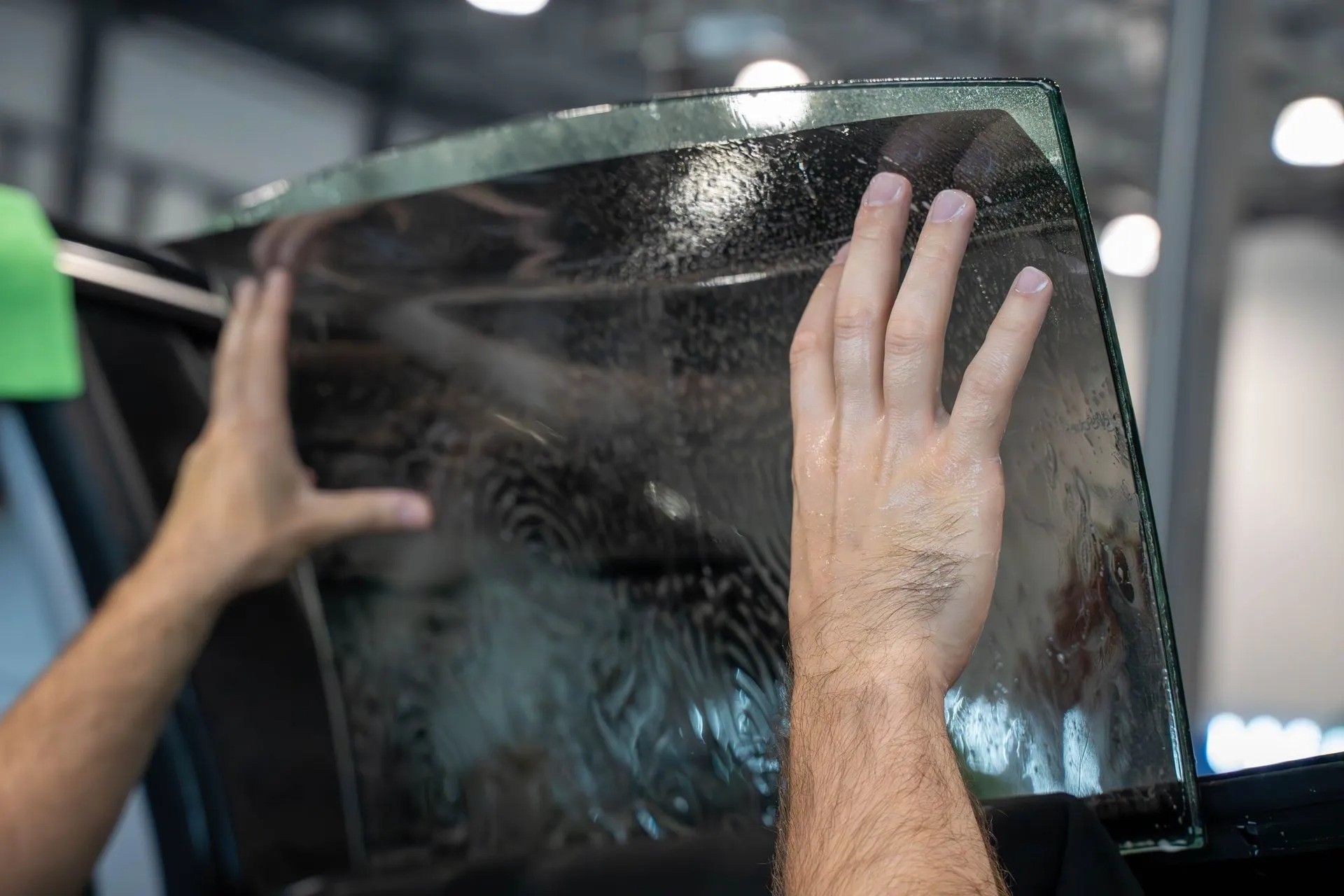
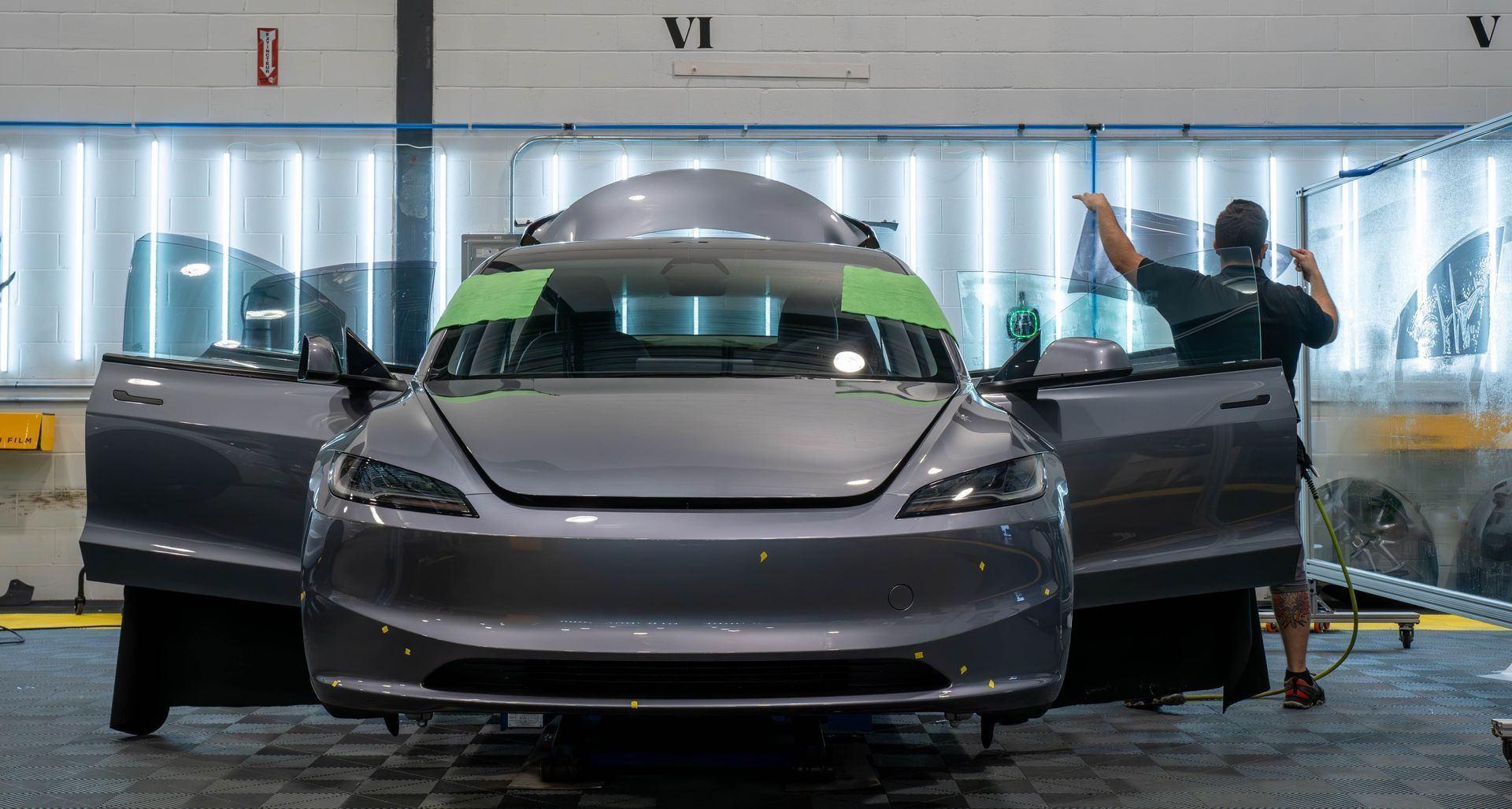
The quality of installation affects the performance and visibility of window tint films. Proper installation helps maintain smooth film alignment and consistent optical clarity.
Incorrect installation may create uneven surfaces, distortion, or visibility issues that affect the appearance and performance of the tint film.
Valkyrie PPF Solutions provides professional window tint installation services that focus on proper film application, long-term durability, and visibility performance for drivers in Laval.
Choosing the Right Window Tint Film
Choosing the right window tint film depends on visibility preferences, driving conditions, and desired comfort levels. Some drivers prefer lighter films that maintain higher visibility, while others focus on glare reduction during daytime driving.
Different tint films provide different levels of light transmission and clarity. Understanding how each film affects visibility helps drivers select a suitable solution for daily driving conditions.
Valkyrie PPF Solutions helps vehicle owners choose window tint films that support balanced visibility, driving comfort, and long-term performance.
Conclusion
Different window tint films affect driving visibility by influencing glare reduction, light transmission, heat control, and optical clarity while helping improve driving comfort in Laval. Film material, tint darkness, and visibility performance all contribute to how clearly drivers can see during daytime, nighttime, and changing weather conditions.
Choosing the appropriate window tint film helps maintain balanced visibility while supporting overall driving comfort. With professional installation from Valkyrie PPF Solutions, drivers can improve visibility performance and maintain long-term window tint quality.
Contact us today to learn more about available window tint solutions for your vehicle.