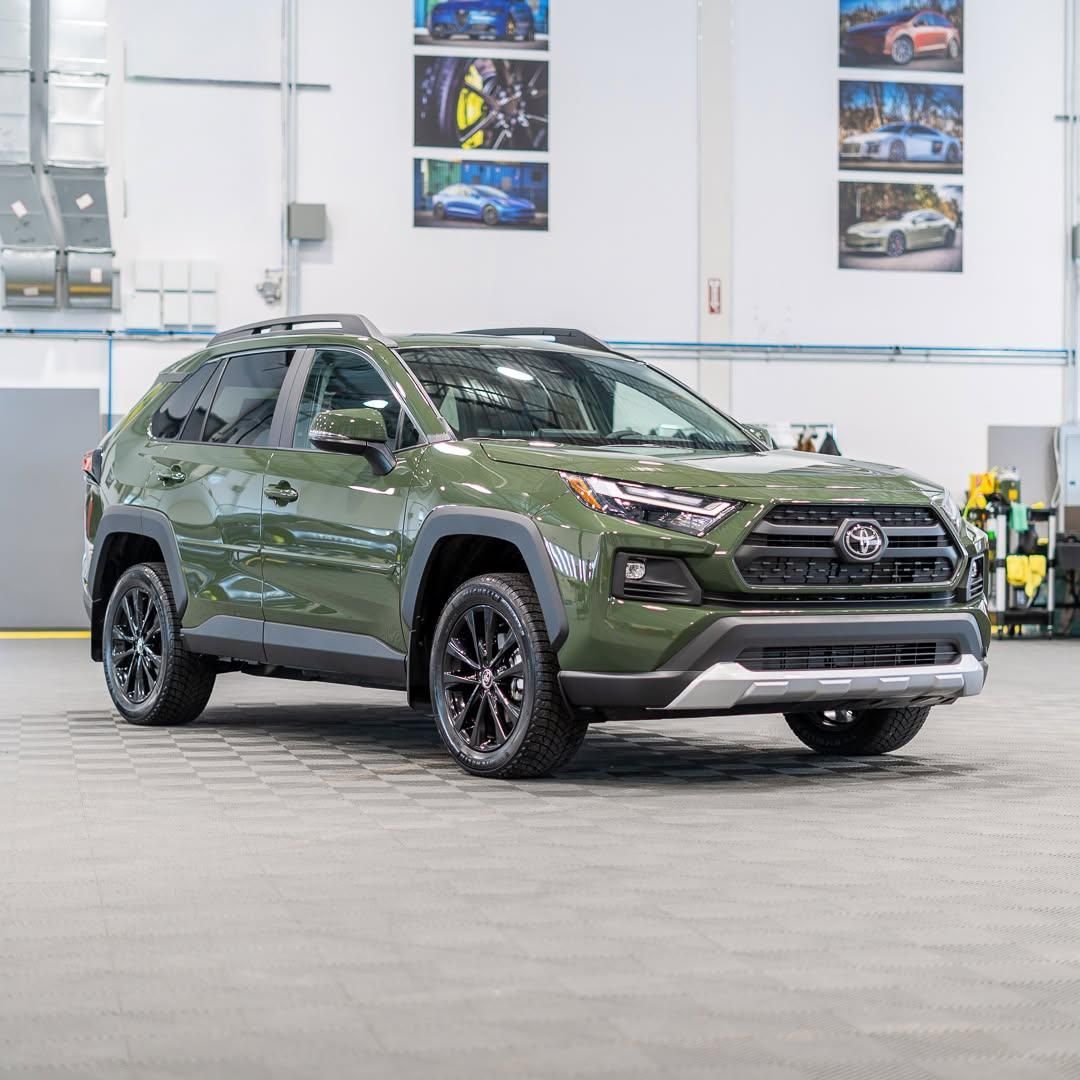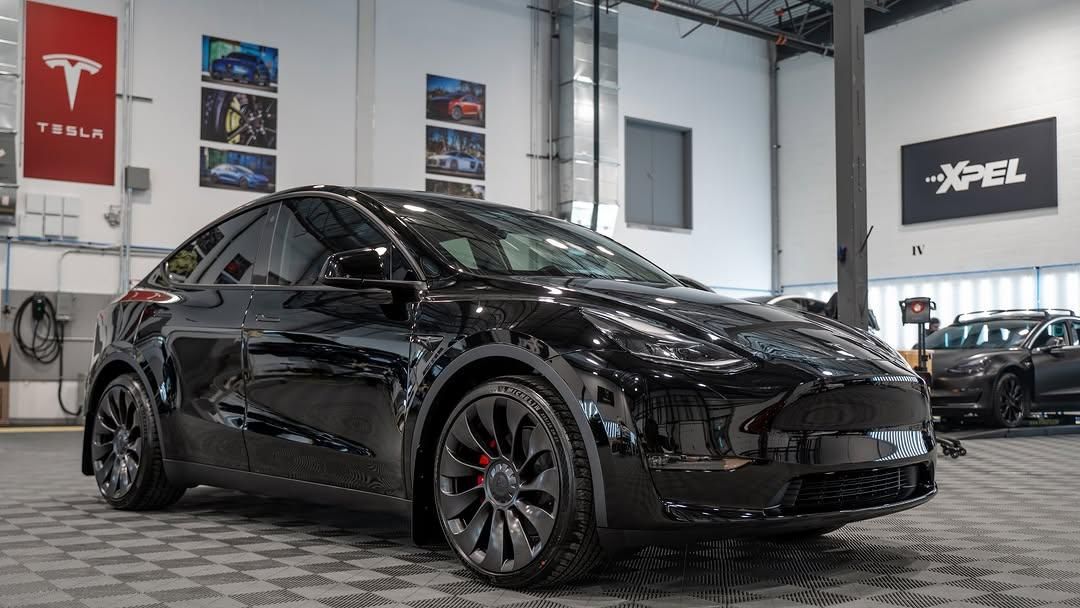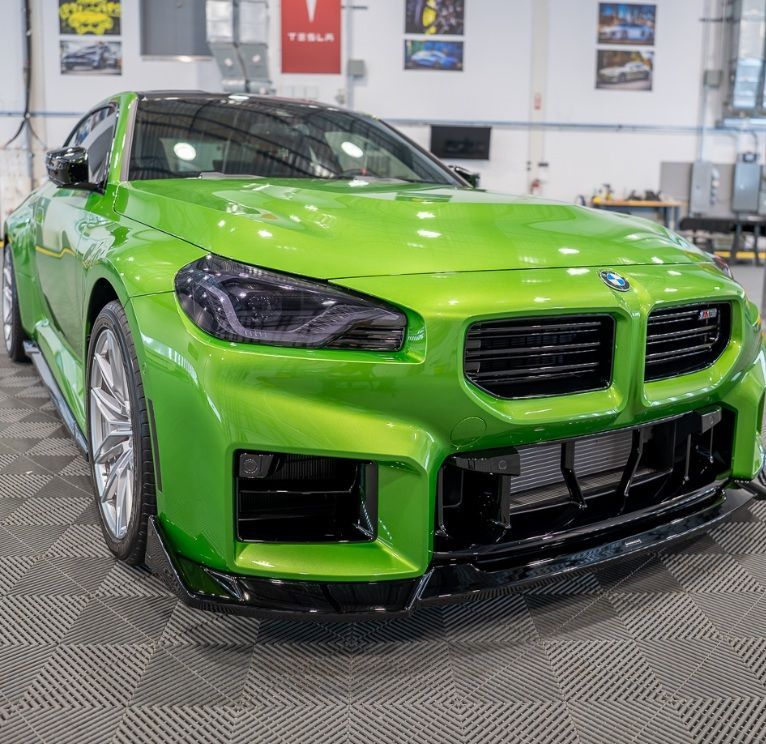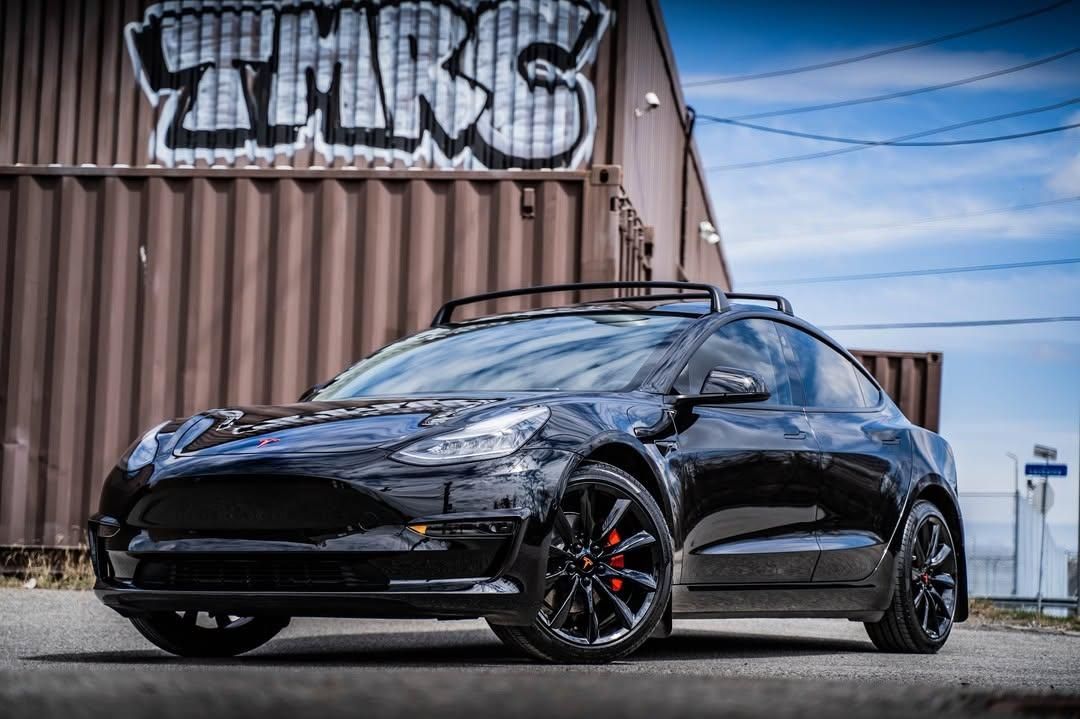
Humidity can change how ceramic coating behaves during application, how consistently it bonds to prepared paint, and how it develops during curing. Excess moisture in the air may alter working time or encourage condensation, while unusually dry conditions can also affect certain formulations. At Valkyrie PPF Solutions in Laval, we treat environmental conditions as an important part of professional coating work, alongside preparation and application. Understanding humidity and ceramic coating application helps explain why a clean, controlled setting matters. The goal is not simply to apply a glossy finish, but to support even coverage, reliable adhesion, and the protective performance expected from our nano ceramic coating services.
Why Does Humidity Matter During Ceramic Coating Application?
Humidity describes the amount of water vapor present in the air. During coating work, that moisture can influence how a product reacts, how quickly it becomes ready for leveling, and how it cures. The effects depend on the coating formulation, temperature, airflow, and condition of the painted surface.
We pay attention to these factors because an application that appears smooth initially still needs sufficient time to develop its intended properties. We do not assume that more moisture is always harmful or that drier air always produces better results. Instead, humidity and ceramic coating application must be considered together with the selected product's instructions.
How Can High Humidity Change Coating Application?
High humidity can affect the window available for applying and leveling a coating. Some moisture-reactive formulations may begin reacting more quickly in humid air, while other products can behave differently as their carriers evaporate. We focus on using the appropriate timing for the selected coating rather than following a fixed routine regardless of conditions.
Changes in Flashing and Leveling Time
Flashing is the stage when the applied product changes in appearance and becomes ready for the next application step. If this stage occurs differently than expected, leveling may become more difficult. Uneven residue can remain visible as streaks or concentrated areas. Careful leveling helps us avoid visible irregularities.
Greater Risk of Condensation
Humid air also raises the possibility of moisture collecting on a cooler painted surface. Condensation can interfere with preparation and contact between coating and paint. We therefore distinguish moisture in the surrounding air from actual water sitting on the panel. A surface should be clean and appropriately dry before coating begins.
Can Low Humidity Affect Ceramic Coating Curing?
Very dry air can influence coating behavior too, although the direction and degree of the effect depend on the formula. Some coatings use atmospheric moisture as part of their curing reaction, so insufficient humidity may change the rate of that process.
We avoid treating low humidity as an automatic advantage. Rapid changes in working time may make an even finish more difficult to achieve, while slower chemical development can require different curing expectations. At our Laval facility, we prioritize a suitable environment and product-specific guidance rather than assuming that the driest available conditions are ideal. This balanced approach supports predictable application and inspection.
How Does Humidity Influence Coating Bonding to Paint?
Bonding depends on more than the coating product alone. The painted surface must be adequately prepared so the treatment can make consistent contact. Dust, road residue, polishing oils, and remaining wash water can interfere with that contact. Humidity becomes particularly important when moisture settles on a panel after preparation or while work is underway.
Clean and Dry Surface Preparation
At Valkyrie PPF Solutions, our ceramic coating services emphasize thorough cleaning and paint correction when needed. Our Exterior Full Body Nano Ceramic Coating package includes Level 1 paint correction. These preparation steps help us address surface conditions before applying the selected treatment.
Maintaining Consistent Adhesion
When condensation or contamination interrupts the prepared surface, the coating may not achieve the uniform finish we intend. We keep preparation and application connected rather than treating them as separate tasks. Proper surface readiness gives the coating a better foundation for adhesion and subsequent curing.
What Role Do Temperature and Surface Moisture Play?
Relative humidity cannot be evaluated completely without temperature. As temperatures change, the same air can become more or less likely to deposit moisture on a cooler surface. That is why the condition of the paint matters alongside the room conditions. A vehicle brought in from a cold environment may require attention before any coating work begins.
We also distinguish a panel that feels dry from one that is ready for application. Applying coating over a damp surface may compromise even contact or create appearance problems. Our emphasis on proper facilities, careful preparation, and sufficient curing space helps us account for these practical factors without promising that a particular humidity percentage works for every product.
How Can Humidity Affect Gloss and the Finished Appearance?
The coating's final appearance depends on clean paint, even application, timely leveling, and proper curing. If humidity changes the product's working behavior unexpectedly, visible irregularities may become harder to avoid.
High Spots and Uneven Residue
High spots occur when coating residue is not leveled evenly. Changes in flashing behavior can increase the difficulty of removing excess product at the right stage. Depending on conditions and formulation, these areas may appear darker or more reflective than their surroundings. Our application process emphasizes close attention to individual sections instead of rushing through an entire vehicle.
Clarity and Consistent Reflections
Haze or streaking can interrupt the glossy appearance our ceramic coating services are intended to support. We use careful inspection to evaluate the finish and identify visible irregularities. A controlled environment assists this process, but it does not replace skill, suitable products, or proper surface preparation.
Why Does a Controlled Application Environment Matter?
We believe professional ceramic coating results depend on both technique and surroundings. Our ceramic coating process benefits from a clean, dust-free setting, suitable lighting, and enough room to keep a vehicle during curing. Those details matter because airborne contamination, unexpected surface moisture, and rushed handling can work against an otherwise careful application.
Preparing the Exterior Before Coating
Our process focuses on cleaning, decontamination, and paint correction when appropriate. We inspect surface readiness before applying the coating, since remaining contamination can interfere with the intended finish.
Application and Inspection
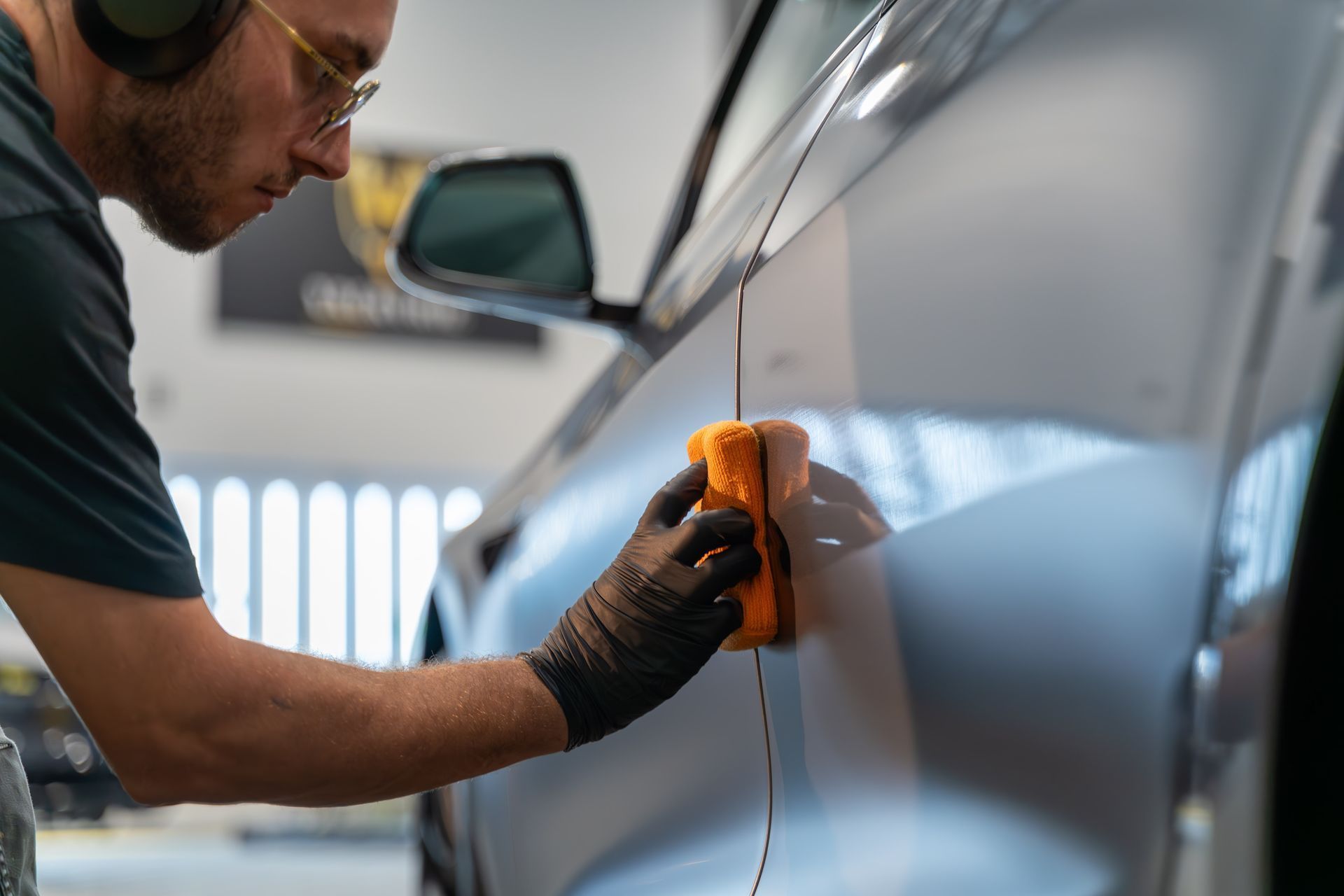
We apply ceramic coating with attention to consistent coverage and visible finish quality. We also allow the coating to cure and inspect the result. Managing the work environment supports those steps, particularly when local weather is humid or temperatures shift. Professional application reduces avoidable issues without making curing conditions irrelevant.
What Happens During Curing in Humid Conditions?
Curing is not identical to the first stage of product drying. A coating can appear settled while its protective properties continue developing. Depending on the formulation, moisture in the air may contribute to the curing reaction, yet excessive moisture or direct water contact can still cause problems before the coating has stabilized.
We therefore avoid assuming that high humidity always speeds curing or that visible dryness means the treatment is fully ready for weather exposure. Product instructions guide how long the finish needs protection and when routine care can resume. Our ceramic coating services include time for curing and inspection because this stage affects the quality of the finished work.
How Does Laval Weather Influence Ceramic Coating Planning?
Laval experiences changing temperatures, rain, snow, road moisture, and seasonal humidity. These conditions affect how vehicles arrive for service and why exterior paint protection matters during everyday driving. A damp day does not automatically rule out professional application, but it reinforces the value of an appropriate indoor setting and a properly prepared surface.
Our work in Laval considers the conditions surrounding both installation and subsequent vehicle use. We do not rely on outdoor weather alone to determine how a selected coating should be applied. Instead, we focus on the surface itself, the working environment, and the curing requirements. This helps us support the glossy appearance and easier cleaning associated with our nano ceramic coating services.
How Should a Newly Coated Vehicle Be Maintained?
Application conditions remain relevant after the coating has been leveled. Fresh coatings require appropriate curing time, and early contact with rain, washing water, or condensation may affect some products before they stabilize. We recommend following the aftercare guidance associated with the selected coating rather than using a universal waiting period.
Once normal washing is appropriate, regular maintenance helps preserve gloss and hydrophobic behavior. Our ceramic coating services are designed to make contaminants easier to remove, not eliminate the need for cleaning. We encourage gentle hand washing and appropriate drying to limit residue buildup. For vehicles driven regularly around Laval, consistent upkeep supports the protective benefits developed during installation and curing.
Choose Professional Ceramic Coating at Valkyrie PPF Solutions in Laval
Humidity and ceramic coating application are connected through working time, surface moisture, bonding, and curing. Both excessive moisture and unusually dry conditions may affect the outcome, depending on the coating chemistry. We consider environmental conditions alongside thorough preparation, precise application, and inspection to support a smooth, durable finish.
At Valkyrie PPF Solutions in Laval, our nano ceramic coating services include an Exterior Full Body Nano Ceramic Coating package with paint correction and coverage for selected exterior surfaces. We focus on paint clarity, gloss, hydrophobic performance, and careful application rather than making guarantees based on weather alone. To learn more about our services or request a quote,
contact Valkyrie PPF Solutions.