PPF thickness and performance are related, but they measure different aspects of vehicle protection. Thickness describes how much material makes up a film, while performance reflects how that material responds to road debris, everyday contact, weather, and regular maintenance. More thickness does not automatically mean better protection. At Valkyrie PPF Solutions in Laval, we focus on the complete protective result rather than a single specification. Understanding PPF thickness and performance helps us recommend appropriate protection for exposed vehicle panels.
PPF Thickness and Performance: What Is the Main Difference?
Thickness is a physical measurement. Performance describes what the installed film actually does under driving conditions. We consider impact resistance, flexibility, optical clarity, self-healing behavior, adhesion, and durability when discussing protective capabilities.
Two products of similar thickness can behave differently because their materials, surface layers, and adhesives differ. Depending on its formulation, thicker film may provide greater resistance to certain impacts but require more careful installation around complex vehicle contours.
At our Laval shop, we consider road exposure, material quality, precise fit, and appropriate coverage when recommending paint protection options.
How Is PPF Thickness Measured, and Why Does It Matter?
Film thickness is commonly expressed in mils or microns. A mil represents one-thousandth of an inch, while microns provide a metric measurement. Measurements need context, particularly when comparing products with different surface coatings and adhesive layers. Depending on the manufacturer, a stated figure may refer to the full film construction or particular layers, so numbers should be compared on the same basis.
We view thickness as one indicator of the material available to help absorb contact and resist certain impacts. It does not tell us whether the film has a high-quality surface layer, maintains optical clarity, or stays securely attached. We prioritize protection and finished appearance over an isolated measurement.
How Does PPF Thickness Influence Impact Resistance?
Gravel, small stones, and material thrown up by other vehicles can strike paint with varying force. Film thickness can affect the amount of material available to absorb or distribute some of that impact, but the formulation and conditions of contact also influence the outcome. Angle, speed, and the shape of incoming debris can all change what happens at the surface.
Protection Against Road Debris
We pay particular attention to front bumpers, hoods, fenders, mirrors, and lower body panels because these areas often encounter flying debris. When other material properties are comparable, additional thickness may improve resistance to certain impacts. We therefore assess exposure area alongside film characteristics rather than treating every panel as equally vulnerable.
Why Thickness Alone Cannot Guarantee Protection
No film makes vehicle paint immune to every impact. A sharp stone, forceful strike, or repeated exposure can still damage the protective layer or the finish underneath. We also consider elasticity, fit, and coverage. Our aim is to reduce everyday damage without promising complete protection.
Does Thicker PPF Affect Film Flexibility and Fit?
Film must follow the shape of the vehicle to deliver consistent protection. Bumpers, mirrors, curved fenders, and detailed body lines require material that can conform without creating excessive tension. Flexibility also depends on formulation. We want the installed material to stay closely fitted along the vehicle rather than pull away from curved sections after application.
Film Flexibility on Curved Surfaces
We assess flexibility by considering how the material follows contours and remains positioned after application. Two films with similar thickness may stretch and settle differently. A product that conforms smoothly can support a clean appearance and secure contact in complicated areas, where material behavior matters.
Balancing Thickness and Installation Quality
Some thicker films can be harder to fit around curves. Our installation approach focuses on careful alignment, controlled handling, and consistent coverage. We do not treat extra material as an automatic advantage if it interferes with fit or creates tension around edges.
Why Does Material Quality Matter More Than Thickness Alone?
The performance of an installed film depends on how its different components work together. At Valkyrie PPF Solutions, we value quality materials because protection also involves appearance, adhesive stability, and ongoing exposure to road conditions in Laval.
Polyurethane Film Quality
We consider the material's flexibility and resilience when discussing protection against everyday debris. A suitable film needs to tolerate movement across vehicle contours while providing a protective barrier. Its composition influences the balance between resistance to contact and the ability to follow detailed panel shapes.
Surface Protection and Self-Healing Properties
Our PPF offerings highlight self-healing surface properties that help certain minor surface marks become less visible with appropriate warmth. This does not guarantee protection against deeper damage. We also value optical clarity, since effective protection should preserve the appearance of the paint beneath it.
Adhesive Quality and Long-Term Performance
Adhesive stability helps protected areas stay covered during normal use. We focus on smooth placement and secure edges because lifting or uneven adhesion can interrupt coverage regardless of film thickness. A quality adhesive and professional application work together to support a consistent finish. Our Laval installation process emphasizes that secure fit as part of the overall protective result.
How Does PPF Coverage Affect Overall Paint Protection?
Thickness describes the film; coverage defines the protected areas. Even a highly capable film cannot protect an uncovered panel. We therefore discuss coverage as a separate decision, especially where road debris frequently reaches the front and lower portions of a vehicle.
Our Rocker Kit focuses on rocker panels, lower doors, and rear wheel well impact areas. The Full Front package covers areas including the front bumper, hood, front fenders, mirrors, and lights. Our Valkyrie Kit adds protection for vulnerable areas such as lower doors, door sills, and the luggage area, while our Full Coverage package includes a broader range of exterior panels. Package details can vary by model.
For driving around Laval and on Quebec highways, these options help us match protection to the surfaces most exposed during regular use. Coverage may matter more than a small thickness difference. We also discuss the limits of partial packages so expectations remain clear about unprotected sections.
How Do Thickness and Film Quality Affect Long-Term Durability?
Durability involves more than surviving the first contact with road debris. We consider adhesion, appearance, and protective properties through regular use. Thickness alone cannot tell us how a film will respond after repeated exposure to contaminants and changing road conditions.
Quebec driving conditions can involve gravel, road grime, and seasonal temperature changes. These conditions place ongoing demands on film surfaces and edges.
Flexible material, reliable adhesion, and careful installation help preserve consistent coverage through that exposure. Our PPF services also emphasize stain resistance, self-healing properties, and straightforward ongoing care.
We encourage regular washing and occasional condition checks instead of viewing film as maintenance-free. Gentle cleaning practices help maintain appearance and provide opportunities to notice any developing edge concerns.
Why Is Professional Installation Important for PPF Performance?
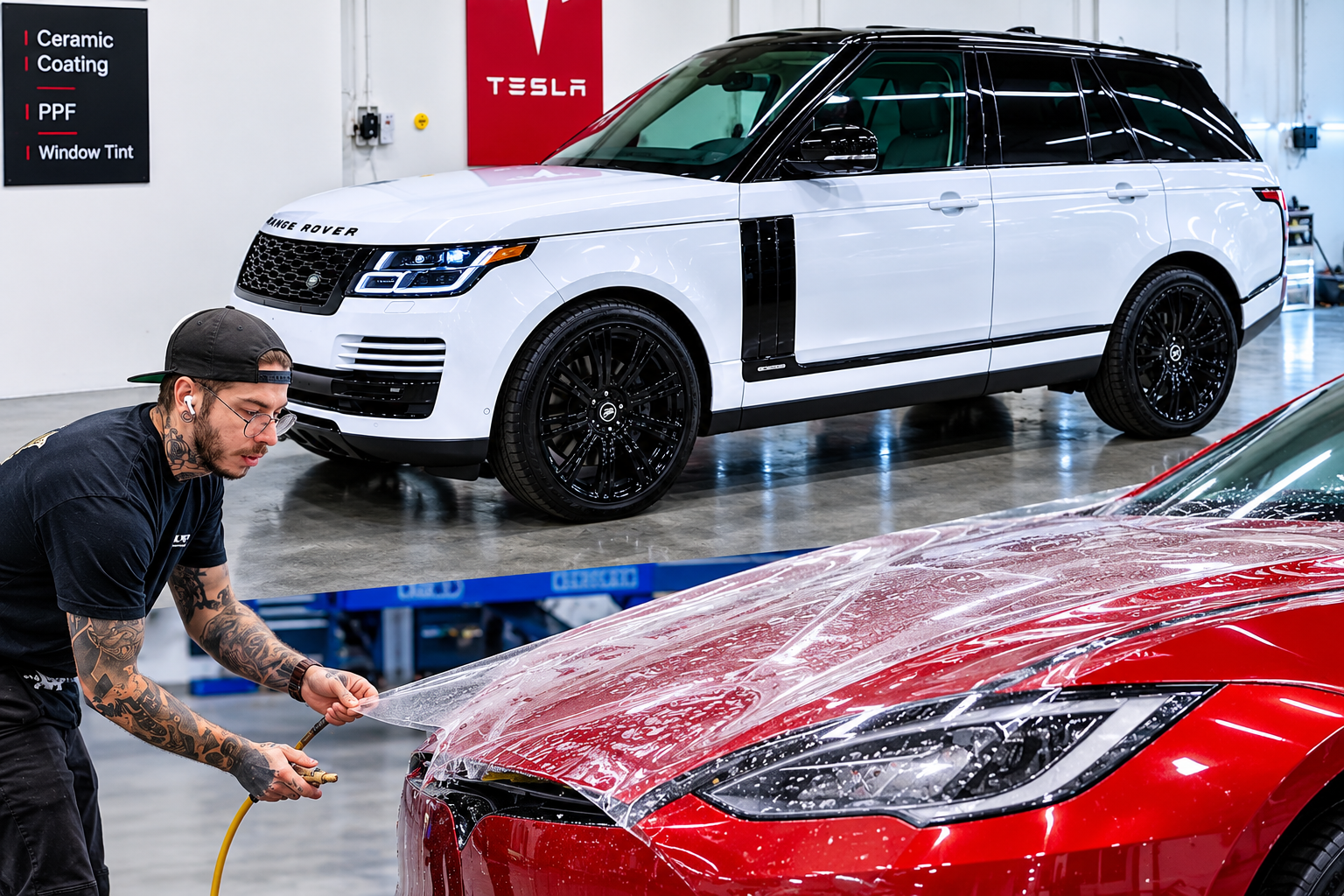
Even a well-made film needs correct installation to deliver the intended result. We focus on preparation, positioning, and adhesion because trapped contamination, poor fit, or lifting edges can compromise coverage without changing the product's stated thickness.
Proper Surface Preparation
We begin by evaluating the condition of the areas selected for protection. Cleaning and suitable surface preparation help us limit contamination between the film and the vehicle finish. When the underlying paint needs attention, we can discuss our paint correction services as a separate preparation consideration. Film should not be expected to conceal every existing paint imperfection.
Accurate Film Positioning and Coverage
Our team works carefully around curves, body lines, and different panel shapes. Precise positioning helps the material follow the selected surfaces with a consistent appearance. We also consider the boundaries of each coverage package so the completed installation matches the planned areas.
Secure Adhesion and Finished Appearance
We pay attention to film edges, smooth contact, and the overall finish. We wrap film edges where appropriate to support a discreet appearance. These details matter because performance depends on keeping protective material in place, not simply selecting a film with a greater thickness measurement.
How to Choose the Right PPF Thickness and Performance for a Vehicle
We start with how the vehicle is used and where its paint encounters the greatest exposure. Daily commuting, frequent highway travel, and roads with loose gravel can create different protection priorities. We balance coverage, impact resistance, flexibility, appearance, and maintenance.
For some vehicles, focused front-end or rocker-panel protection may address the most exposed areas. Other vehicles may benefit from wider coverage. At Valkyrie PPF Solutions, our packages serve different vehicle types, including Teslas, with choices ranging from targeted kits to Full Coverage. We discuss available options based on panel exposure, vehicle shape, and the intended protective result.
Explore Professional PPF Installation at Valkyrie PPF Solutions in Laval
PPF thickness and performance are closely related, but they represent different factors in overall vehicle paint protection. Thickness measures material, while actual protection depends on impact response, flexibility, adhesive quality, film construction, coverage, and installation. We believe these factors are best evaluated together when planning long-term paint care.
At Valkyrie PPF Solutions in Laval, we offer professional paint protection film installation with Rocker Kit, Full Front, Valkyrie Kit, and Full Coverage options. Our team focuses on careful fitment and consistent protection across selected panels. To explore our available packages or request an estimate,
contact Valkyrie PPF Solutions and discuss a suitable approach to vehicle paint protection.