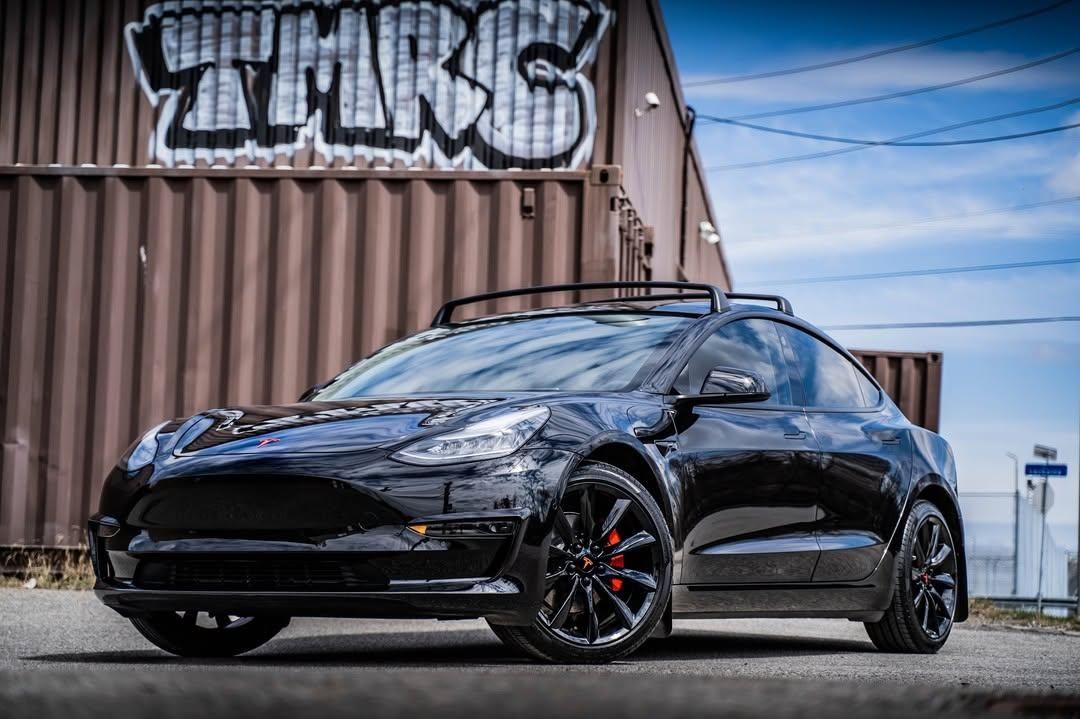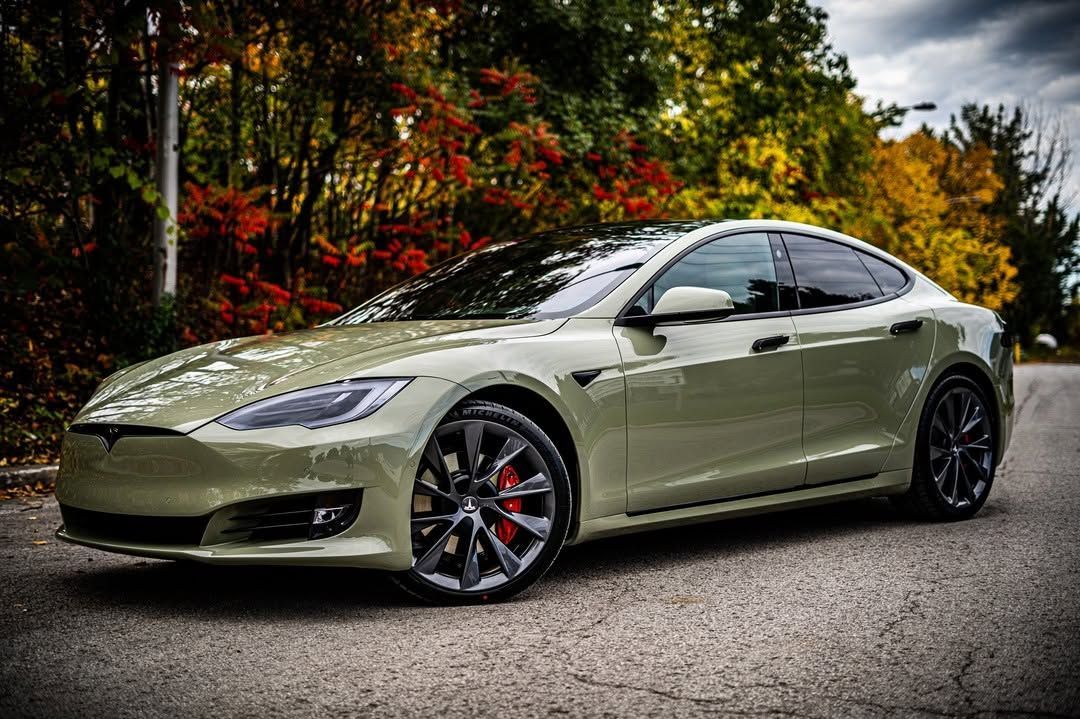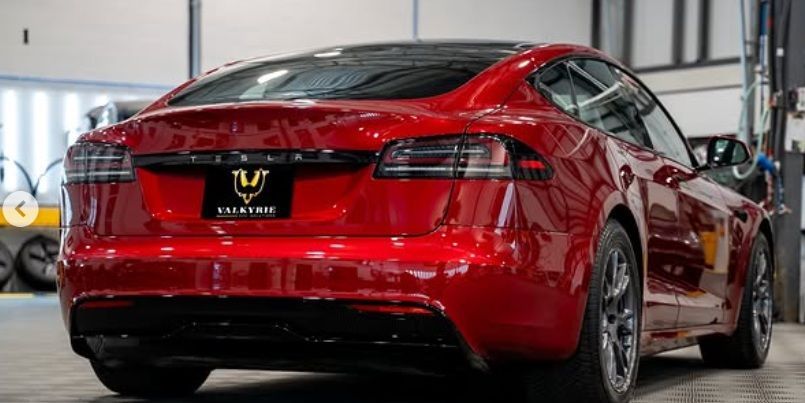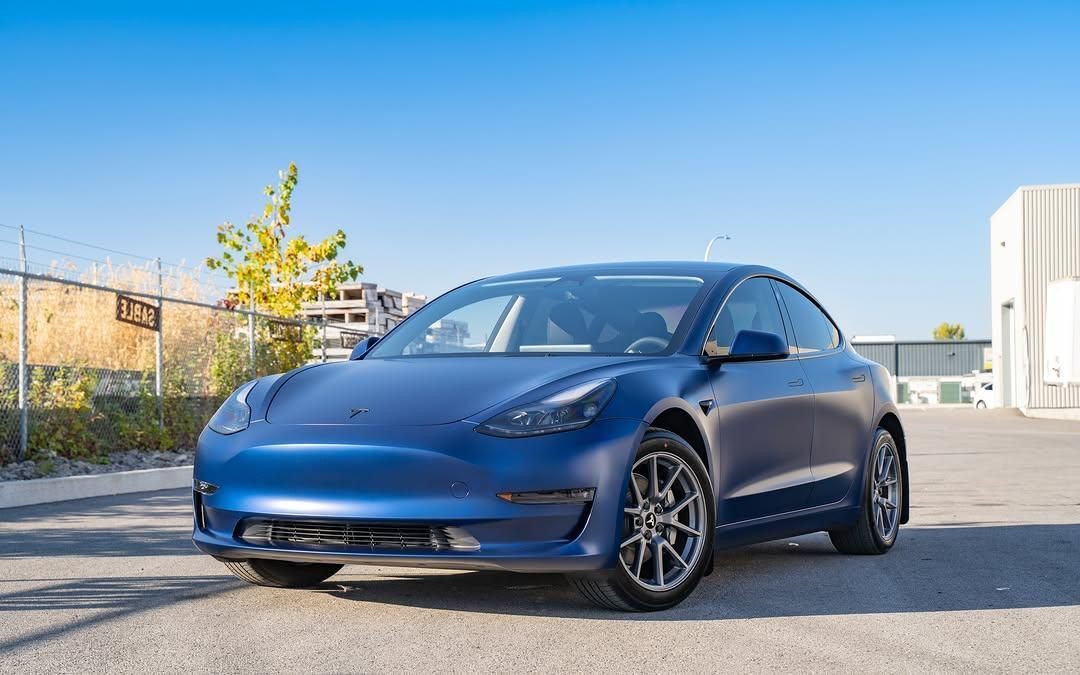
Ceramic coating for new vehicles is often considered early in the ownership stage, but the timing of application plays a critical role in how well the surface responds over time. In Laval, vehicle owners frequently face uncertainty about whether to apply protection immediately after delivery or wait for a short period to assess the paint condition. This decision is important because the exterior surface may already have been exposed to transport conditions, dealership handling, and environmental elements before the car reaches the owner. Valkyrie PPF Solutions works with vehicle owners in Laval to evaluate these factors carefully so that ceramic coating for new vehicles is applied at a stage that supports consistent exterior protection and long-term visual quality.
Ideal Timing for Ceramic coating for new vehicles Application on New Vehicles
The timing of ceramic coating for new vehicle applications depends on how the surface condition is assessed after delivery. In Laval, many new vehicles appear visually clean, but the paint surface may still require evaluation before treatment. The goal is to identify whether the vehicle is ready or if it needs a short observation period before application.
Post Delivery Surface Assessment
The initial stage involves examining the vehicle as soon as it is delivered. Even when a car looks brand new, the surface may carry light contaminants or handling marks from transport and storage. In Laval, this step is especially important because seasonal changes can also introduce fine debris during delivery. Valkyrie PPF Solutions evaluates the surface condition at this stage to determine whether ceramic coating for new vehicles or ceramic coating installation can proceed, or if additional preparation is required.
Early Ownership Evaluation Period
After the initial assessment, a short ownership evaluation period may be needed in some cases. This allows the vehicle to be observed under real driving and environmental conditions in Laval. Dust exposure, road residue, and minor surface interactions can reveal whether the paint is stable enough for ceramic coating for new vehicles or proper ceramic coating installation. This step helps ensure that treatment is not applied prematurely.
Why the First Few Weeks After Delivery Matter
The first few weeks of ownership are critical because this is when the vehicle transitions from controlled storage to active use. In Laval, environmental exposure during this time can influence surface readiness significantly for ceramic coating installation and ceramic coating for new vehicles application.
Transport and storage exposure factors
Before reaching the owner, vehicles often pass through multiple handling stages. During transport and storage, the exterior may be exposed to dust, air pollutants, or protective residues. These elements are not always visible immediately but can affect the final ceramic coating installation process and the durability of ceramic coating for new vehicles if not properly addressed.
Dealership preparation impact
Dealership cleaning and presentation processes can also influence surface condition. While these processes aim to improve appearance, they may leave behind light residues or introduce micro-level surface variations. In Laval, this is a common consideration when determining the right timing for ceramic coating installation. Valkyrie PPF Solutions reviews these factors before proceeding with the ceramic coating for new vehicle applications.
Vehicle Paint Condition After Manufacturing and Transport
Paint condition varies between factory output and final delivery, and this variation affects timing decisions for ceramic coating installation and protection of new vehicles. In Laval, environmental differences during transport routes can also play a role in surface readiness.
Transit-related surface contamination
During transportation, vehicles are exposed to airborne particles, dust, and industrial residue. These contaminants may not be visible but can settle on the surface. Before ceramic coating installation, it is important to ensure that the paint surface is free from these hidden layers so that the ceramic coating for new vehicles can bond properly and perform as intended.
Minor imperfections before delivery
Even new vehicles can show minor imperfections that originate during handling or transit. These are typically subtle but still relevant when evaluating timing. In Laval, professionals like Valkyrie PPF Solutions inspect these conditions to ensure that ceramic coating installation and ceramic coating for new vehicles are applied under optimal surface readiness.
Pre-Application Surface Preparation Timeline
Proper preparation is essential before any application begins. The timing of this process ensures that the coating bonds correctly with the surface.
Detailed inspection process
A full inspection is performed to evaluate paint condition, contamination levels, and surface uniformity. In Laval, this step is standard practice at Valkyrie PPF Solutions. It ensures that ceramic coating for new vehicles is applied only when the surface is stable and properly assessed.
Cleaning and correction phase
If needed, the vehicle undergoes a controlled cleaning and correction phase before application. This stage addresses any surface irregularities that may interfere with coating performance. The timing of ceramic coating for new vehicles depends heavily on the completion of this preparation stage.
Factors That Influence the Right Application Time
Several external and internal factors determine when ceramic coating for new vehicles should be applied. In Laval, these factors can vary depending on seasonal and usage conditions.
Climate and environmental conditions
Temperature and humidity levels can influence surface readiness. In Laval, seasonal variations may affect how quickly a vehicle stabilizes after delivery. These conditions are considered when planning ceramic coating for new vehicle applications.
Early driving exposure
Initial driving patterns also play a role. Short-term exposure to road salt, dust, or rain can change surface conditions quickly. Evaluating this exposure helps determine whether immediate application is appropriate.
Storage environment conditions
Whether a vehicle is stored indoors or outdoors can significantly affect timing decisions. Indoor storage in Laval typically reduces contamination risk, while outdoor storage may require earlier evaluation before ceramic coating for new vehicles is applied.
When to Apply Immediately vs Wait Periods
Not all vehicles require the same timing approach. Some are ready immediately, while others benefit from a short waiting period.
Immediate application scenarios
In cases where the vehicle has been well protected during transport and shows a clean surface condition, ceramic coating for new vehicles can be applied soon after delivery. This is often seen when the vehicle is delivered directly with minimal exposure.
Recommended waiting scenarios
If the vehicle has been exposed to multiple environments before reaching Laval, a short waiting period is recommended. This allows professionals to evaluate surface stability and ensure proper preparation before applying ceramic coating to new vehicles.
Common Mistakes New Car Owners Make Before Application
Timing errors are common among new car owners and can affect long-term results. In Laval, these mistakes are often related to assumptions about surface readiness.
Delaying the application too long
One common mistake is delaying ceramic coating for new vehicles for an extended period. This increases exposure to contaminants and can make surface preparation more complex later.
Skipping professional evaluation
Another mistake is proceeding without a professional inspection. Without proper evaluation, timing decisions may not reflect actual surface conditions. Valkyrie PPF Solutions helps prevent this issue by offering structured assessments in Laval.
Professional Evaluation and Inspection Timeline
A structured evaluation process ensures accurate timing decisions and consistent results.
Initial evaluation stage
The initial stage involves a detailed review of the vehicle’s exterior condition. This includes checking for contamination, surface consistency, and readiness for ceramic coating for new vehicle applications.
Final approval for the application
After evaluation and preparation, final approval is given when the surface meets the required standards. This ensures that ceramic coating for new vehicles is applied at the most effective time for long-term performance.
Long-Term Maintenance After Application
After application, proper maintenance supports sustained exterior quality. In Laval, environmental conditions make maintenance an important part of long-term care.
Routine cleaning practices
Regular cleaning helps maintain the treated surface. It prevents the buildup of dust and contaminants that can affect appearance over time.
Environmental exposure management
Limiting unnecessary exposure to harsh conditions also helps preserve results. In Laval, seasonal changes make this particularly relevant for long-term vehicle care after ceramic coating for new vehicles application.
Conclusion
The right timing for ceramic coating for new vehicles depends on surface condition, environmental exposure, and proper evaluation before application. In Laval, these factors are carefully assessed by Valkyrie PPF Solutions to ensure that each vehicle receives protection at the most effective stage. A structured approach helps maintain exterior quality and supports long-term appearance. For any inquiries or to proceed with the evaluation, you can
contact us for assistance.