Vehicle owners in Laval often invest in paint protection film to help maintain the appearance of their vehicles. However, the quality and longevity of the installation depend not only on the application itself but also on proper care afterward. Many paint protection film mistakes occur during routine maintenance and daily vehicle use. These mistakes can affect clarity, durability, and the overall condition of the protected surfaces. Understanding what to avoid can help vehicle owners maintain the results of their investment and keep their vehicle looking its best with support from Valkyrie PPF Solutions.
Washing the Vehicle Too Soon After Installation
After paint protection film has been installed, it is important to allow sufficient time for the film to settle and bond properly. One of the most common paint protection film mistakes is washing the vehicle before the recommended curing period has passed. This can interfere with the results of a professional Paint Protection Film installation and affect the film's performance.
Why the Curing Period Matters
The curing period allows moisture and installation solutions used during the application process to dissipate naturally. During this time, the film continues to adhere securely to the vehicle's surface. Disturbing the film too early can impact this process and may affect the final appearance.
Risks of Early Exposure to Water and Cleaning Products
Excessive water exposure, pressure washing, and cleaning chemicals during the curing stage can create unnecessary stress on the film. This may affect adhesion around edges and other areas where the film is still settling.
Recommended Waiting Period Before Washing
Following the aftercare instructions provided by the installation professional is the best approach. Vehicle owners in Laval should always allow the recommended curing period to pass before performing any washing or cleaning procedures. Following guidance from
Valkyrie PPF Solutions can help support the long-term appearance and condition of the film.
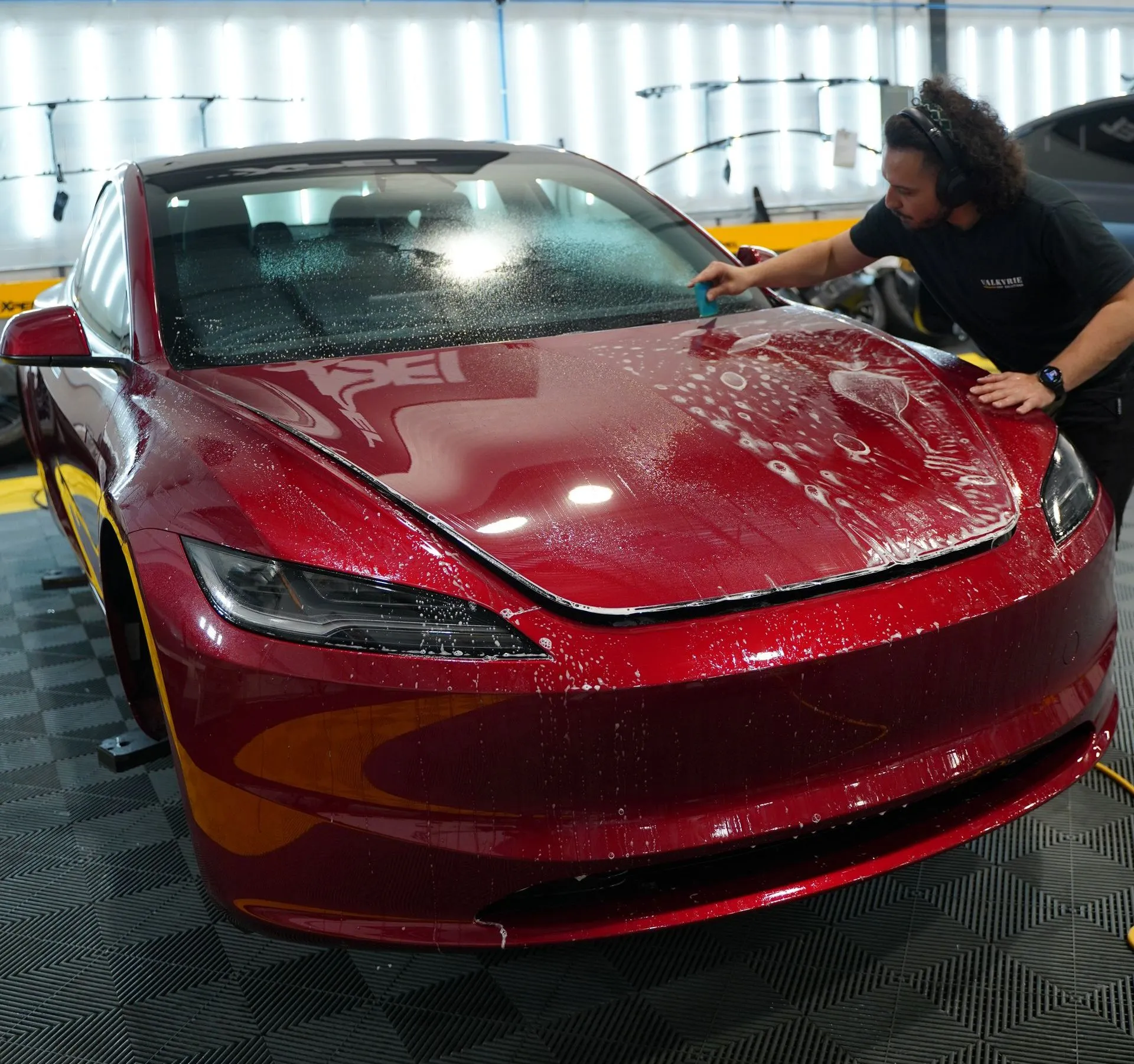

Using Incorrect Cleaning Methods
Routine cleaning plays a major role in maintaining the appearance of paint protection film. Using improper techniques can gradually affect the finish and reduce the benefits of the installation.
Avoiding Harsh Chemicals and Abrasive Products
Strong cleaning chemicals and abrasive materials can impact the surface of the film. Products not intended for protected automotive surfaces may reduce clarity and affect the appearance of the vehicle over time.
Problems Caused by Automatic Car Washes
Some automatic car washes use brushes and cleaning methods that may place unnecessary friction on the vehicle's exterior. Repeated exposure can contribute to surface wear and diminish the appearance of the film.
Choosing Safe Hand-Washing Practices
Gentle hand washing methods are often recommended for maintaining vehicles with paint protection film. Using suitable automotive cleaning products and proper techniques helps support long-term surface quality and appearance after a Paint Protection Film service.
Ignoring Contaminants on the Surface
Environmental contaminants are unavoidable during normal vehicle use. However, leaving them on the surface for extended periods can become one of the most overlooked paint protection film mistakes.
Common Surface Contaminants to Watch For
Road debris, bird droppings, insect residue, tree sap, and other contaminants can accumulate on the vehicle's exterior. These materials should not remain on the surface longer than necessary.
Effects of Delayed Cleaning
When contaminants remain on the vehicle, they may affect the appearance of the film and make routine maintenance more difficult. Prompt cleaning helps preserve surface clarity and maintain a clean finish.
Best Practices for Routine Surface Care
Regular inspections and consistent cleaning help remove contaminants before they become problematic. Establishing a maintenance routine supports the long-term condition of the vehicle's protected surfaces.
Applying Unapproved Products Over the Film
Many vehicle owners purchase detailing products without verifying whether they are suitable for paint protection film. Using incompatible products is another common mistake that can affect the appearance of the installation.
Common Product Application Mistakes
Some products may leave unwanted residue or alter the surface appearance of the film. Applying products without confirming compatibility can create unnecessary maintenance concerns.
How Certain Products Affect Film Clarity
The visual clarity of paint protection film is one of its most valuable characteristics. Certain products can leave a hazy appearance or interfere with the clean finish vehicle owners expect.
Selecting Film-Safe Maintenance Products
Using products that are appropriate for protected automotive surfaces helps maintain a consistent appearance. Following professional recommendations can reduce the likelihood of product-related issues.
Neglecting Regular Vehicle Maintenance
Paint protection film helps preserve exterior surfaces, but it does not eliminate the need for routine vehicle care. Neglecting maintenance can eventually affect the overall appearance of the vehicle.
Importance of Consistent Cleaning
Consistent cleaning helps remove dirt, contaminants, and road residue that accumulate during daily driving. Maintaining a regular schedule allows vehicle owners to keep their vehicles looking clean throughout the year.
Seasonal Maintenance Considerations
Vehicles in Laval experience changing weather conditions throughout the seasons. Adapting maintenance routines to environmental conditions helps support the condition of the film and the vehicle's exterior surfaces.
Developing a Long-Term Care Routine
A structured maintenance routine helps reduce the likelihood of avoidable paint protection film mistakes. Consistency often contributes to better long-term appearance and easier upkeep.
Attempting DIY Repairs on Damaged Areas
When vehicle owners notice lifting edges or minor imperfections, they may be tempted to address the issue themselves. Unfortunately, this often creates additional complications.
Common DIY Repair Errors
Attempting repairs without proper tools or experience can affect the appearance of the installation. Small issues may become more noticeable when handled incorrectly.
Risks of Lifting or Trimming Film Yourself
Pulling, trimming, or adjusting the film can lead to further damage. These actions may affect both the film and the protected surface beneath it.
When Professional Inspection Is Recommended
Whenever concerns arise regarding the condition of the film, professional evaluation is typically the safest option. Experienced installers can determine the appropriate solution while helping preserve the integrity of the installation.
Exposing the Vehicle to Unnecessary Stress During Early Ownership
The first few weeks after installation are important for achieving the best possible results. During this period, unnecessary stress on the vehicle's exterior should be avoided whenever possible.
Environmental Conditions That May Affect Performance
Extreme weather, excessive moisture, and harsh environmental exposure can place additional demands on newly installed film. Awareness of these conditions helps support proper settling.
Activities to Limit During the Initial Period
Vehicle owners should avoid activities that could place excessive pressure on the film while it continues to cure. Following installation guidance helps promote optimal results.
Supporting Proper Film Settling and Adhesion
Allowing the film to settle naturally helps maintain its appearance and overall performance. Patience during the early stages contributes to long-term durability.
Overlooking Periodic Professional Evaluations
Many vehicle owners focus only on cleaning and maintenance while overlooking the value of professional inspections. Regular evaluations can help identify concerns before they become more significant.
Benefits of Professional Assessments
Professional inspections allow trained specialists to evaluate the condition of the film and identify areas that may require attention. Early detection can simplify maintenance and support long-term performance.
Signs That a Vehicle Should Be Evaluated
Changes in appearance, lifting edges, or concerns about surface condition may indicate that professional assessment is appropriate. Addressing these issues promptly can help preserve the quality of the installation.
Maintaining Long-Term Surface Quality
Periodic evaluations complement routine maintenance and help ensure the vehicle continues to look its best. Combined with proper care, inspections contribute to long-term satisfaction.
How Proper Aftercare Helps Avoid Common Paint Protection Film Mistakes
Avoiding common paint protection film mistakes is largely a matter of following proper maintenance practices and paying attention to the vehicle's condition. Consistent care helps preserve the appearance and performance of the installation over time.
Building Effective Maintenance Habits
Simple habits such as regular cleaning, prompt contaminant removal, and adherence to professional recommendations can make a significant difference in long-term results. Consistency remains one of the most important factors in vehicle care.
Supporting Long-Term Film Performance
Proper aftercare helps maintain clarity, durability, and overall surface protection. Vehicle owners who follow recommended maintenance practices are better positioned to preserve the quality of their investment.
Conclusion
Understanding and avoiding common paint protection film mistakes can help vehicle owners maintain the appearance, clarity, and durability of their vehicle's protected surfaces. Proper aftercare, routine maintenance, and professional guidance all play important roles in achieving long-term results. If you have questions about maintaining your paint protection film or would like professional assistance in Laval, contact Valkyrie PPF Solutions today. Contact us to learn more about proper paint protection film care and maintenance.